Featured from CLN
The DEA’s Shift on Marijuana: What You Need to Know
Here’s a master class in why the rulebook, not the plant, runs the cannabis industry. Guam just issued its first Guam cannabis permit — nearly seven years after the territory legalized adult-use marijuana. The Cannabis Control Board unanimously approved a single cultivation facility, and there’s still nowhere legal to buy the product it grows.
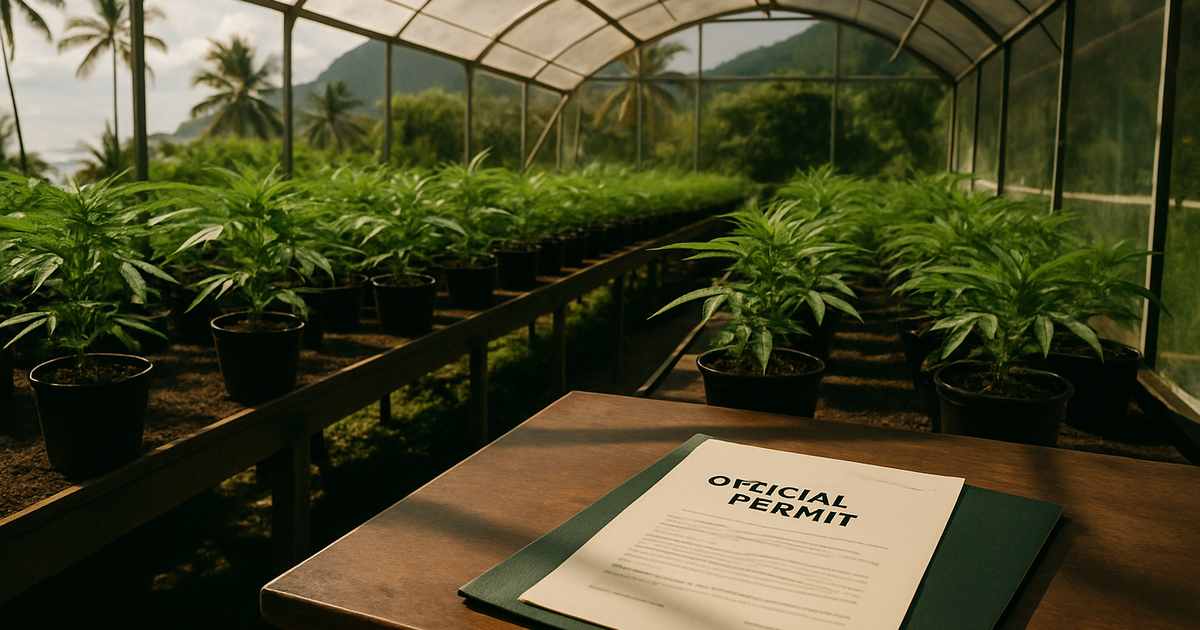
On June 24, Guam’s Cannabis Control Board granted its first operating permit to Guam Real Deal LLC, doing business as Deep Green Guam, a cultivation facility cleared to grow, prepare, and package cannabis. As Isla Public reported, the company received conditional license approval back in February and cleared inspections and compliance review before being allowed to operate.
The territory legalized recreational adult-use marijuana in 2019. That means it took roughly seven years to go from “legal” to a single licensed grow — and the catch is that Deep Green can’t sell to consumers yet. Under current rules, Guam still needs licensed retailers and other establishments before any product can legally reach a customer. You can grow it; you just can’t sell it to anyone.
Why the Guam cannabis permit took seven years
If you’ve watched this show for any length of time, you know this is the drum I beat constantly: the plant was never the bottleneck. Cannabis grows like a weed — that’s the joke and the truth. What takes years is the regulatory build-out: writing the rules, standing up a control board, designing the license categories, running background checks, conducting inspections, and figuring out testing and tax collection. Guam is Exhibit A.
It’s also a useful reminder for anyone romanticizing “just legalize it.” Legalization is a statute. A functioning market is an administrative apparatus, and apparatuses move at the speed of government. Seven years to one grow license on a small island isn’t an outlier — it’s the normal friction of building a regulated market from scratch, just compressed onto a place small enough to see the whole process at once.
There’s a business lesson tucked inside the delay, too. Deep Green is now the only licensed cultivator in a market with no licensed retailers — a temporary monopoly on supply with no legal demand to sell into yet. Whoever wins the first retail permits will be buying from a single grower. First-mover position in a tiny, slow-moving market can be enormously valuable precisely because the regulatory chokepoints limit how fast competitors can enter.
For operators and investors scanning emerging markets, Guam is a case study in patience. The opportunities in a brand-new legal jurisdiction are real, but they unlock on the regulator’s timeline, not the entrepreneur’s. The ones who win are the ones who position early — get the conditional approval, clear the inspections, build the relationships — and then wait out the years it takes the rest of the framework to catch up.
Guam’s market will eventually mature, retailers will get licensed, and product will reach shelves. But the seven-year gap between legalization and a single grow permit should be printed on the wall of every advocate who thinks the hard part ends on the day the law passes. The hard part is everything that comes after.
Related: Hawaii’s parallel hemp regulatory push. Related: the federal rescheduling fight.
Watch the full episode
Tom Howard and Miggy break down all of this week’s stories on the Sunday, June 28, 2026 episode of Cannabis Legalization News:
Watch the latest CLN episode on YouTube →
Original sources
Evidence
Reporting and primary sources
We have not added a separate source list yet. Use the links in the article above while we finish organizing it.