Featured from CLN
The DEA’s Shift on Marijuana: What You Need to Know
California just put serious money behind a problem every legal market shares. On June 25, Gov. Gavin Newsom announced $227 million in Proposition 64 grants to fight illicit cannabis in California — funding local enforcement, youth prevention, public-health programs, and environmental cleanup of illegal grow sites.
The grants flow from Prop 64, the 2016 measure that legalized adult-use cannabis and earmarked a slice of tax revenue for exactly this kind of public-safety and remediation work. The Governor’s office laid out the awards in its announcement, and as The Marijuana Herald noted, this fourth cohort pushes total statewide Prop 64 grant funding past $350 million.
There’s a notable funding wrinkle. The Board of State and Community Corrections originally made $125 million available this cycle, prioritizing applications that target illicit cannabis enforcement under Senate Bill 141. But the board leveraged anticipated 2026–27 funds and other resources to fully fund every eligible applicant — which is how a $125 million pool turned into a $227 million award.
How California is fighting illicit cannabis
Eligibility also expanded under the 2025 Budget Act. A local government qualifies if it permits retail storefront sales or, for jurisdictions of 10,000 residents or fewer, allows cannabis delivery for both medical and adult-use customers. In other words, the state is rewarding the towns that actually allow legal commerce, not the ones that ban it and then complain about the illicit market.
Here’s the part nobody tells you when they sell legalization as a free-money machine: the legal market only works if you strangle the illegal one. California has struggled with this more than any other state. High taxes, slow licensing, and widespread local bans left enormous room for an untaxed, unregulated shadow market that undercuts licensed operators on price and ignores testing rules entirely.
So $227 million of consumer tax money is going to eradication, cleanup, and prevention — and for licensed operators, that’s not a side issue. Your biggest competitor isn’t the dispensary down the street. It’s the guy with no license, no lab testing, no taxes, and no overhead. Every dollar the state spends shrinking that shadow market is a dollar that protects your margin and your customers’ safety.
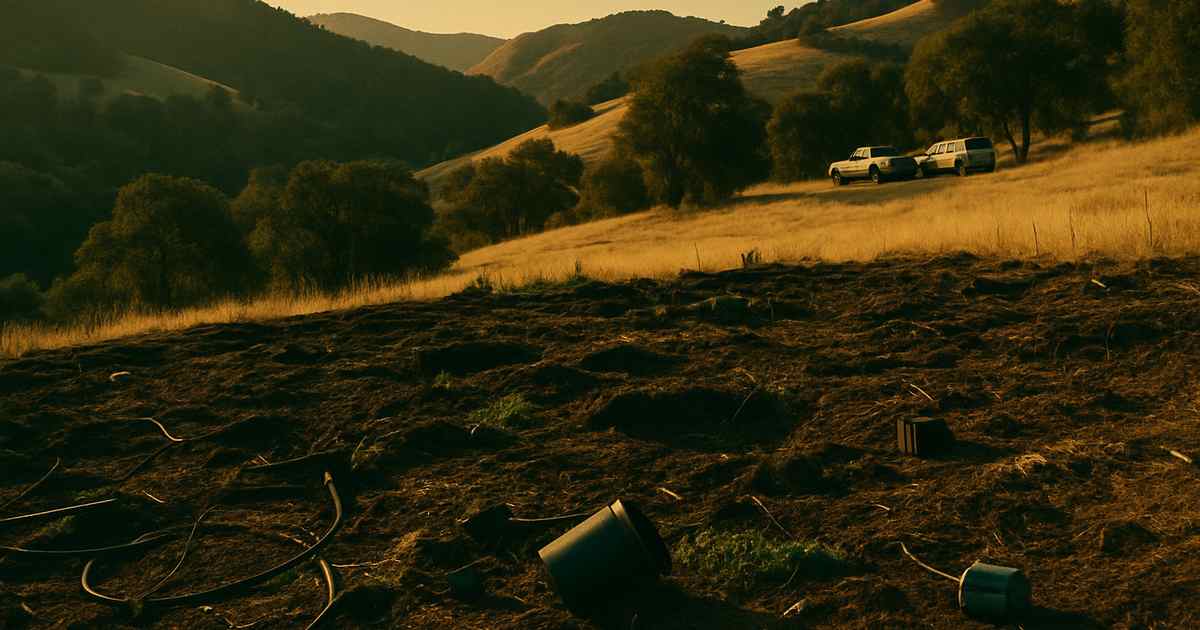
The environmental angle matters too. Illegal grows on public and tribal land have fouled watersheds with banned pesticides and diverted streams during drought. A chunk of this money goes to cleaning up that damage — the kind of cost the licensed, regulated market never gets credit for avoiding.
The lesson generalizes to every state on the show’s map: legalization is not the finish line, it’s the starting gun for an enforcement problem. Fund the enforcement, and the legal market has a shot. Skip it, and you’ve just taxed your law-abiding operators while the unlicensed market eats their lunch.
Related: the $15 billion states have collected in weed taxes. Related: Hawaii’s July 1 hemp enforcement push.
Watch the full episode
Tom Howard and Miggy break down all of this week’s stories on the Sunday, June 28, 2026 episode of Cannabis Legalization News:
Watch the latest CLN episode on YouTube →
Original sources
Evidence
Reporting and primary sources
We have not added a separate source list yet. Use the links in the article above while we finish organizing it.