Featured from CLN
The DEA’s Shift on Marijuana: What You Need to Know
If you want the single most persuasive argument for legalization, it’s a dollar figure from the federal government’s own bean counters. A new marijuana tax revenue report from the U.S. Census Bureau shows states have collected nearly $15 billion in cannabis taxes since late 2021 — including $825.1 million in just the first quarter of 2026.
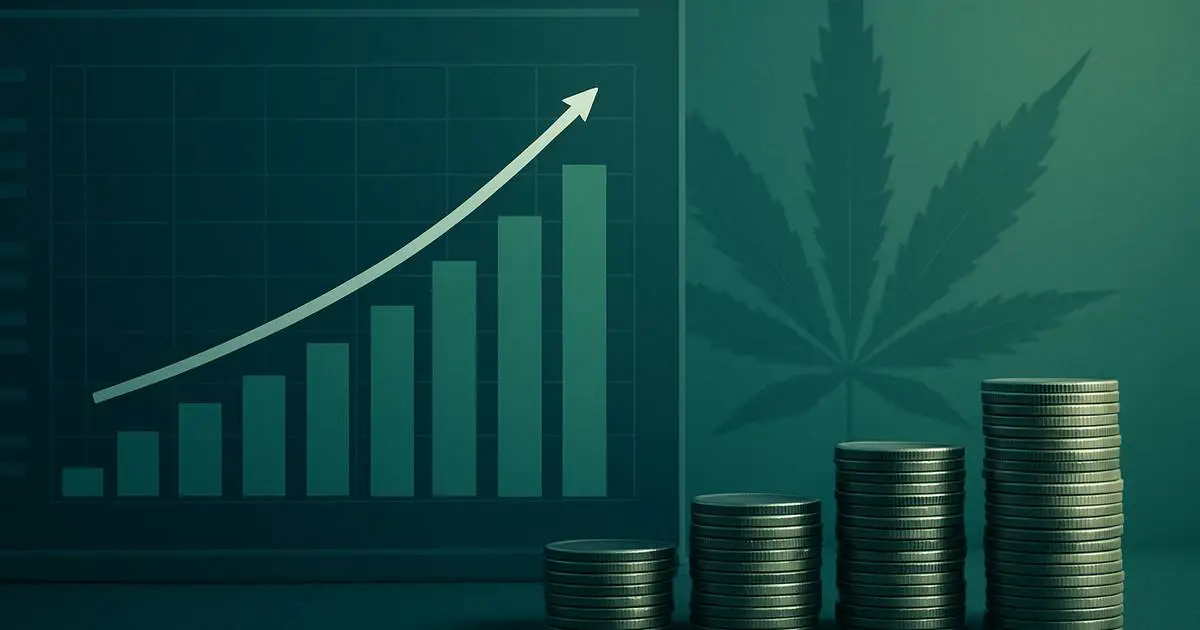
The Census Bureau updated its Cannabis Excise Sales Tax tracker this month to include Q1 2026, and the running total since the agency began tracking in the third quarter of 2021 now sits above $14.8 billion, according to the Marijuana Moment writeup of the data. You can dig into the numbers yourself on the Census Bureau’s interactive page.
The Q1 2026 leaderboard tells you where the money is. California led with $151.9 million, followed by Washington State at $98.9 million, Michigan at $72.5 million, New York at $69.6 million, Illinois at $64.9 million, and Colorado at $53.3 million. Those six states alone account for the lion’s share of the quarter’s haul.
Where the marijuana tax revenue is going
Why does the Census Bureau matter more than an industry press release? Because it’s the federal government counting receipts on a plant the federal government still officially classifies as a controlled substance. When a skeptical state legislator says “but the costs,” this is the chart you put in front of them — non-partisan, federally sourced, and growing every quarter.
It’s worth being precise about what these numbers are and aren’t. This is excise and cannabis-specific sales tax collected by states — not total economic impact, not federal revenue (the feds collect plenty through 280E but don’t break it out this way), and not profit to operators. It’s the public’s cut. And nearly $15 billion of public cut in under five years is the kind of number that quietly changes minds.
Look at Illinois at $64.9 million in a single quarter. That’s our home market funding schools, roads, and equity programs off a product Washington still calls Schedule I. It’s also a reminder of how the money gets spent — and how often the equity promises attached to that revenue go unfulfilled, a fight we’ve covered repeatedly on the show.
The trend line is the real story. Quarterly totals have climbed as more states launched adult-use markets and existing markets matured. Even states with softening retail prices are seeing tax revenue hold up because volume keeps rising. For lawmakers in the roughly two dozen states still debating adult-use, this report is a running advertisement: the money is real, it’s recurring, and your neighbors are already spending it.
The political subtext lands right on top of the DEA’s rescheduling hearing. If states have banked $15 billion in taxes on a Schedule I substance, the obvious question is how much bigger the legal, banked, federally normalized version of this market becomes. The revenue isn’t a side effect of reform anymore — it’s the lead argument.
Related: the SAFE Banking Act’s return. Related: California’s $227M crackdown on illegal grows.
Watch the full episode
Tom Howard and Miggy break down all of this week’s stories on the Sunday, June 28, 2026 episode of Cannabis Legalization News:
Watch the latest CLN episode on YouTube →
Original sources
Evidence
Reporting and primary sources
We have not added a separate source list yet. Use the links in the article above while we finish organizing it.