Featured from CLN
The DEA’s Shift on Marijuana: What You Need to Know
Schedule III Delayed? DOJ Swamped by Epstein Files, Maduro Trial and Supreme Court Pressure
By Thomas E. Howard | | Cannabis Legalization News
Editor’s Note: This is analysis and commentary. We link to primary documents and major news reporting so readers can verify the factual record.
PEORIA, IL — The U.S. Department of Justice (DOJ) is managing a rare convergence of high-intensity priorities: a major Epstein files document review involving millions of pages, a fast-moving Maduro prosecution raising significant legal questions, and continued litigation pressure around federal cannabis policy. At the same time, the marijuana rescheduling proceeding is already in a procedural freeze. Our working theory: DOJ bandwidth and risk-avoidance could extend the Schedule III timeline—not because rescheduling is “dead,” but because it’s easy to push “later” when the Department is triaging crises.
Watch the episode
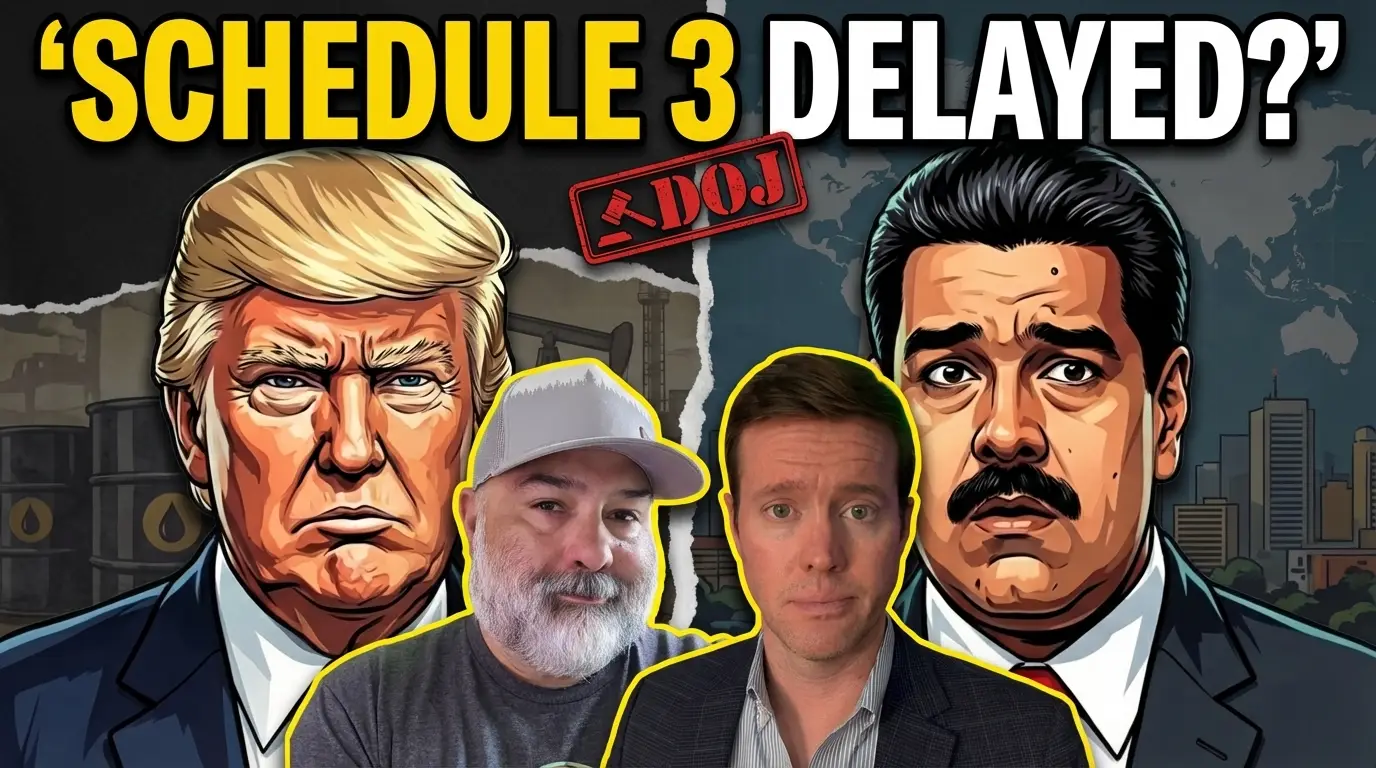
Schedule 3 DELAYED? DOJ Overload: Epstein + Maduro + SCOTUS
What we know (verifiable facts)
- Epstein files workload: DOJ is reviewing about 5.2 million pages and has mobilized hundreds of lawyers to process and redact documents into late January. See: PBS NewsHour (AP) report on DOJ’s Epstein review and Reuters summary via RTÉ.
- Maduro case escalation: Major outlets report a U.S.-driven action leading to Maduro’s custody and immediate U.S. prosecution posture, along with serious international-law and constitutional questions. See: AP live updates on the U.S.–Venezuela developments and AP analysis on the legal questions.
- Schedule III docket is already stayed: DEA’s “Notice to the Parties” confirms the marijuana rescheduling proceeding is in stay status pending an interlocutory appeal. Primary source: DEA PDF: Marijuana Rescheduling — Notice to the Parties.
- Federal enforcement posture shift (one lane): DOJ posted that it rescinded prior marijuana charging guidance and announced it will “rigorously prosecute” marijuana possession on federal lands in Wyoming. Primary source: DOJ press release on rescission of marijuana charging guidance. Additional reporting: Marijuana Moment coverage of congressional pushback.
Why a DOJ workload shock can delay Schedule III (even if nobody announces it)
Rescheduling is a politically sensitive administrative process, and it is already facing a procedural choke point: the docket is stayed pending an interlocutory appeal. That matters because “stayed” proceedings tend to be delay-prone—restart requires leadership attention, legal review, and a clean procedural posture. The DEA’s own notice is the anchor here. (DEA rescheduling notice.)
Now add the reality of DOJ triage. When the Department is consumed by national-security grade prosecutions and massive document production, two things happen:
- Senior attention collapses into the urgent. Epstein disclosures and a Maduro prosecution are time-sensitive, press-heavy, and politically explosive. That crowds out everything else.
- Process risk tolerance drops. When DOJ is under maximum scrutiny, decisionmakers tend to slow any action that can be attacked as procedurally sloppy—even if they support the underlying policy.
In short: rescheduling doesn’t need opponents to “win.” It can simply age in place while DOJ and DEA handle higher-priority fires.
What this means for cannabis operators (practical implications)
- Stop budgeting as if 280E relief is imminent. Treat Schedule III as upside optionality until the stay lifts and the appeal is resolved.
- Model “current law” and “post-III” scenarios. Investors and lenders discount wishful timelines; your projections should too.
- Expect more policy noise while the process stays stuck. In a backlog environment, enforcement posture can harden in selective lanes (like federal lands), even while rescheduling remains unresolved. (DOJ WY guidance rescission.)
What we’re watching next (signals that actually move the timeline)
- Epstein release cadence: Whether DOJ extends timelines or expands the review scope. (PBS/AP Epstein workload report.)
- Maduro case scheduling: Arraignment timing, detention posture, and early motion practice—these dictate how much DOJ time the case will consume. (AP live updates.)
- Rescheduling docket movement: Any resolution of the interlocutory appeal and any indication the stay is lifted. (DEA Notice to the Parties.)
- Enforcement posture spread: Whether other districts adopt similar “federal lands” prosecution language or whether DOJ issues broader guidance. (DOJ WY announcement.)
Bottom line
Schedule III isn’t “dead.” But it is already in a procedural freeze, and the DOJ is absorbing an unusually heavy mix of high-stakes obligations. In that environment, the path of least resistance is delay by triage—no press conference required.
🔗 Join the Movement
- 📰 Free Newsletter – Subscribe here
- 🧢 CLN Merch – Shop merch here
- 🤝 Work With Us – Collateral Base services
- 💰 Sponsor the Show – Sponsor options
Disclosure: Links above are CLN resources. External reporting and primary documents are linked in-line for verification.
Evidence
Reporting and primary sources
We have not added a separate source list yet. Use the links in the article above while we finish organizing it.