Featured from CLN
The DEA’s Shift on Marijuana: What You Need to Know
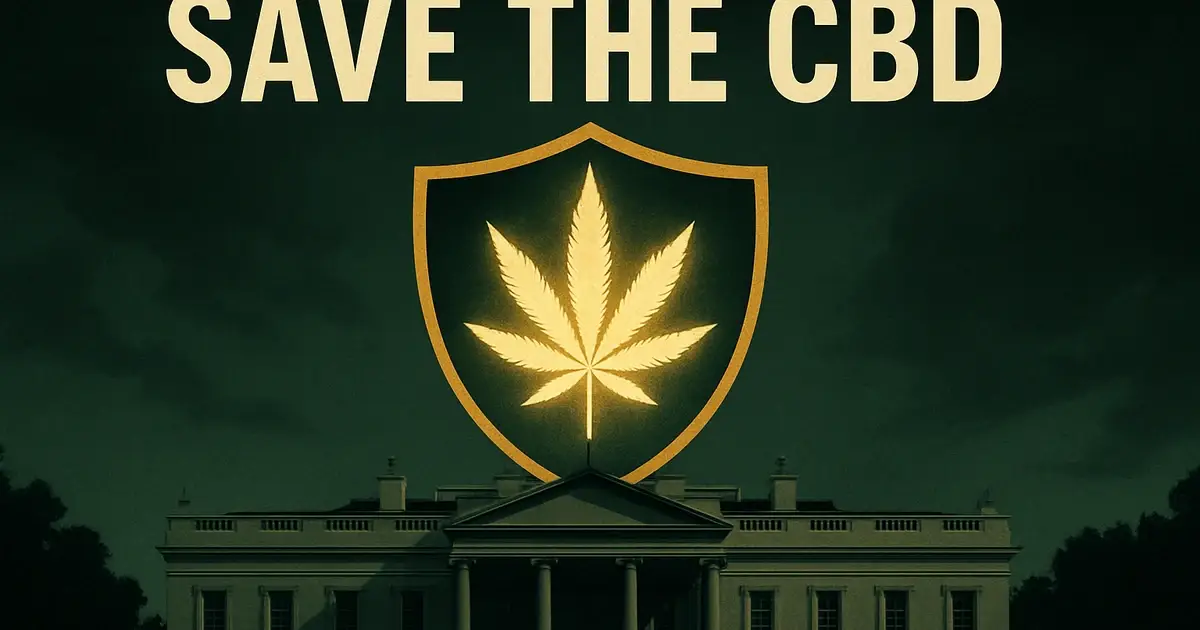
The Trump hemp CBD ban story took its strangest turn yet on June 5: the White House Office of Management and Budget filed a Statement of Administration Policy on H.R. 8646 — the House FY27 Agriculture spending bill — officially asking Congress to roll back part of the federal hemp ban President Trump himself signed into law late last year. If you sell, farm, or simply enjoy full-spectrum CBD, this is the federal fight that decides whether your products survive past November 12, 2026.
What the White House actually said
The OMB statement says the administration “welcomes the opportunity to work with the Congress to, at a minimum, update the statutory definition of final hemp-derived cannabinoid products to allow Americans to benefit from access to appropriate full-spectrum CBD products.” Translation: the executive branch wants Congress to soften the 0.4 mg total THC per container cap that takes effect 11/12/26 — the same cap that Illinois just synced its own hemp law to and the same federal change driving Tennessee’s THCA crackdown.
This isn’t out of nowhere. Back in April, Trump posted on Truth Social that full-spectrum CBD “has made a HUGE difference for so many people,” noting “ONE in FIVE adults used [CBD] in the past year” and demanding Congress “get this done RIGHT and FAST.” His Domestic Policy Council director Vince Haley and legislative affairs deputy James Braid even sent draft legislative text to Rep. Andy Barr (R-KY).
Congress is not cooperating with the Trump hemp CBD ban reversal
Here’s the rub: the same week the White House asked for a fix, House amendments to keep hemp THC products federally legal were blocked or withdrawn, and the Senate Appropriations Agriculture Committee meeting on the FY27 bill was cancelled the same day. The executive branch and the House majority are publicly at odds — and the clock runs out November 12.
Why it matters
USDA data shows American farmers grew $739 million of licensed hemp in 2025 — up 64% year over year. A 0.4 mg per-container THC cap would wipe out most full-spectrum products on the market, hitting farmers, retailers, and the seniors who quietly became CBD’s biggest customer base. Watch whether the hemp definition gets fixed in the FY27 Ag bill — if it doesn’t, November 12 becomes the hemp industry’s cliff. This is news commentary, not legal advice — if the ban affects your business, talk to a cannabis attorney.
What happens next
Three dates matter. First, the FY27 Agriculture appropriations process has to produce a bill the President will sign — that’s where the hemp-definition fix would ride, and the Senate side has not even held its committee markup after the cancellation. Second, November 12, 2026 is the statutory effective date of the 0.4 mg cap; without congressional action, it hits regardless of what OMB wants. Third, watch Rep. Andy Barr’s office — the White House already handed him draft legislative text, which makes him the most likely vehicle for a fix.
The deeper story of the Trump hemp CBD ban fight is that “hemp” and “marijuana” are converging as policy categories. When the White House argues that full-spectrum CBD products deserve a statutory carve-out measured in milligrams of THC, it concedes the point the cannabis industry has made for years: regulate intoxication, not plant taxonomy. However the FY27 bill shakes out, that intellectual ground has shifted — and that’s a bigger deal than any single rider.
Watch the full episode
We covered this story on the June 7 episode of Cannabis Legalization News — Trump Begs Congress to Save CBD: Is the Hemp Ban Backfiring?
Watch on YouTube · New episodes every Sunday · Get the CLN newsletter
Evidence
Reporting and primary sources
We have not added a separate source list yet. Use the links in the article above while we finish organizing it.