Featured from CLN
The DEA’s Shift on Marijuana: What You Need to Know
Everybody fights about THC. Meanwhile the boring half of the plant is quietly building carbon-negative houses. As a brutal heat wave baked Europe, hempcrete homes made headlines for staying cooler without cranking the air conditioning — proof that hemp’s biggest contribution might have nothing to do with getting high.
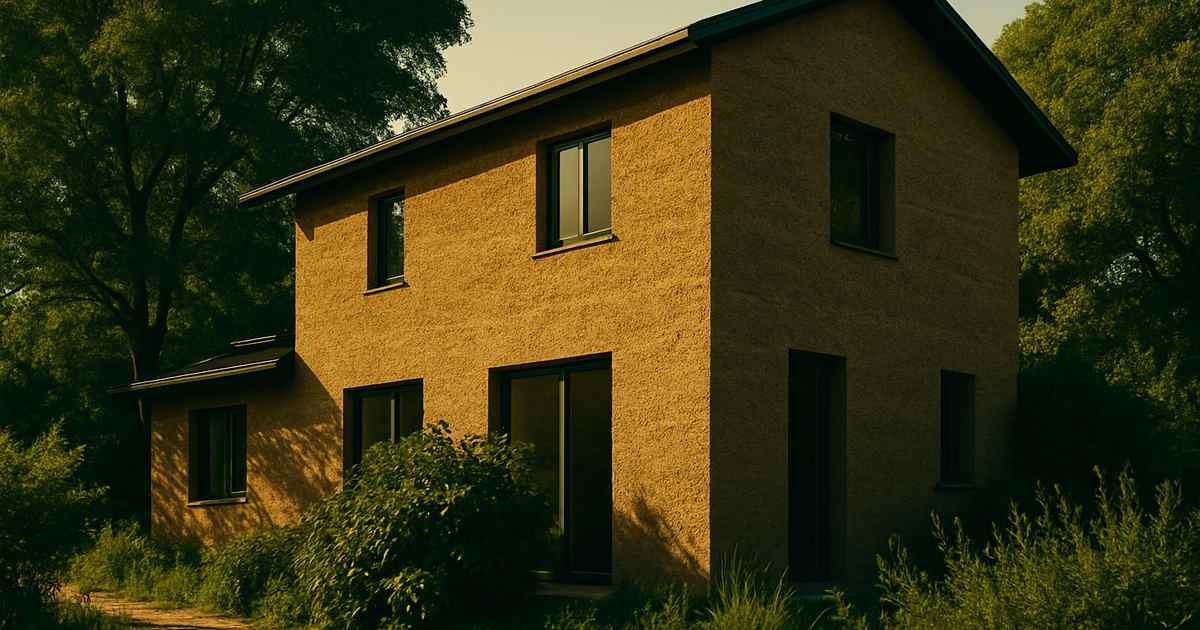
CNN spotlighted the trend on June 24, profiling homes built with hempcrete — a mix of the woody inner core of the hemp stalk (the hurd) and a lime binder. As CNN reported, the material breathes, regulates indoor humidity, and holds a stable temperature, keeping interiors cooler through a heat wave with far less mechanical cooling.
Here’s how it works. Hempcrete isn’t structural like concrete — it’s an insulating infill packed around a timber frame. Its open, porous structure traps air and buffers both heat and moisture, so the wall itself moderates the indoor climate instead of just sealing it off. In summer it resists heat gain; in winter it holds warmth. The result is a building envelope that does a lot of the temperature work the HVAC system would otherwise have to.
How hempcrete homes stay cool
Then there’s the carbon story, which is the genuinely remarkable part. Hemp pulls carbon dioxide out of the atmosphere as it grows — fast, in a single season — and the lime binder absorbs more CO2 as it cures over time. Lock that material into a wall and you’ve effectively stored carbon in the structure of the house. Done right, a hempcrete building can be carbon-negative, the opposite of conventional concrete, whose production is one of the planet’s largest industrial CO2 sources.
It’s worth being clear-eyed: hempcrete isn’t magic. It costs more than conventional construction today, the supply chain for processed hemp hurd is still thin in a lot of markets, and because it’s not load-bearing it has to be paired with a structural frame. It’s a niche material having a very good press cycle, not a wholesale replacement for the building industry — yet.
But the symbolism is the point. Hemp was the original Farm Bill crop, legalized federally in 2018 specifically because it’s the non-intoxicating, industrial side of cannabis. For years the headlines about that 2018 law were all about the “loophole” that birthed delta-8 gummies. This is the other story — the one where hemp does unglamorous, genuinely useful work: insulation, textiles, bioplastics, and building materials that fight climate change.
When the construction industry starts adopting your plant to keep grandma cool during a record heat wave, you’ve already won the culture war — you just don’t know it yet. There’s no stigma fight to be had over a wall. Nobody’s writing op-eds about the dangers of insulation. Hemp construction normalizes the plant in the most ordinary way possible: by making it part of the house people live in.
And that’s a fitting place to close the week. The DEA can rig a hearing, Congress can stall on a ban, and states can fight over flower and vapes — but out in the world, the plant keeps quietly proving it’s more useful than its critics ever admitted. Smoke it, drink it, or build with it. Hemp doesn’t much care which fight gets the headlines.
Related: the federal fight over hemp’s legal status. Related: Hawaii’s hemp crackdown.
Watch the full episode
Tom Howard and Miggy break down all of this week’s stories on the Sunday, June 28, 2026 episode of Cannabis Legalization News:
Watch the latest CLN episode on YouTube →
Original sources
Evidence
Reporting and primary sources
We have not added a separate source list yet. Use the links in the article above while we finish organizing it.