Featured from CLN
The DEA’s Shift on Marijuana: What You Need to Know
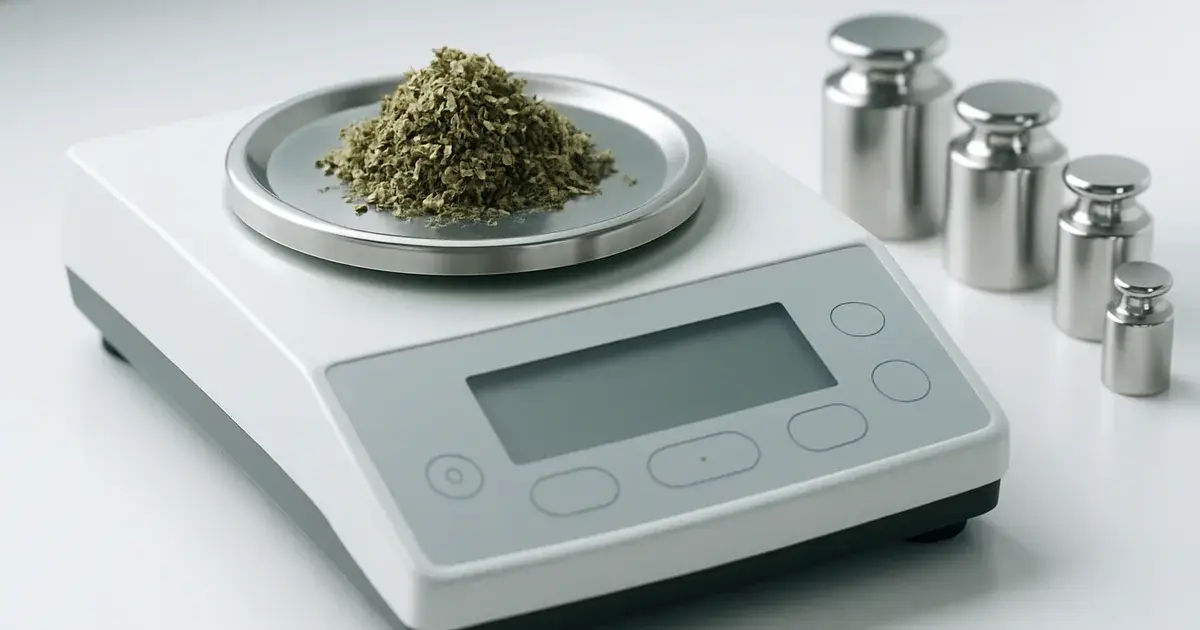
It’s the wonkiest cannabis story of the week, and it matters precisely because it’s boring: the federal government just published a handbook on cannabis scales. On June 29, the National Institute of Standards and Technology released NIST SP 2200-08, “Suitability of Cannabis Scales” (2026 edition) — technical guidance for the state and local weights-and-measures officials who regulate the scales dispensaries use to sell by weight.
Short version for a searcher: NIST didn’t set one national rule. It gave regulators a framework — accuracy classes, verification scale intervals, minimum capacity, and “auxiliary indications” — and flagged that cannabis is an unusual retail commodity: high value per gram, moisture that changes weight, even air-buoyancy effects.
Why a cannabis scales report is a big deal
Because it’s normalization. When the federal standards agency writes a handbook on how to weigh your product, cannabis is being treated like every other regulated commodity that gets weighed, priced and taxed. The report itself lives on NIST’s publications site, right alongside the guidance for grocery and fuel scales. That is a quiet milestone.
What operators actually owe here
Your dispensary scale is a legal-for-trade device. Short-weighting a customer — even accidentally, because flower lost moisture overnight — is a consumer-protection violation waiting to happen, and NIST just handed your state inspector the yardstick for what “right” looks like. Practical steps: buy the correct accuracy class, calibrate on schedule, keep the records, and account for moisture. It’s the same operational discipline that separates the operators who survive a maturing market from the ones who don’t — the same discipline we talk about when margins tighten as tax revenue softens. New-market operators eyeing Virginia’s 2027 retail rollout should bake this into their compliance plan from day one; the ops team at Collateral Base can help build it.
Why weights and measures is the next cannabis compliance frontier
Cannabis operators obsess over seed-to-sale tracking and lab testing, but weights and measures — the same government function that makes sure a gallon of gas is a gallon — is quietly arriving in the industry. A cannabis scale that reads “3.5g” when the customer actually gets 3.3g after moisture loss isn’t a rounding error to a regulator; it’s a short-weight violation. NIST’s report gives states the technical vocabulary to write and enforce those rules.
The moisture point deserves emphasis. Flower loses water weight over time, so a package weighed accurately at intake can read light at the register a week later. Operators need to account for that in packaging and QA, not discover it during a surprise inspection. This is exactly the kind of unglamorous discipline that gets more important, not less, as markets mature and margins thin.
Cannabis scales FAQ
What is NIST SP 2200-08? A 2026 NIST report titled “Suitability of Cannabis Scales” that gives state and local weights-and-measures officials technical guidance for regulating the scales dispensaries use.
Does NIST set a national cannabis scale rule? No — it provides a framework (accuracy classes, intervals, moisture and buoyancy considerations) for states to adopt, not a single mandatory standard.
Watch the full episode
Watch the full Cannabis Legalization News episode on YouTube →
Original sources
Evidence
Reporting and primary sources
We have not added a separate source list yet. Use the links in the article above while we finish organizing it.