Featured from CLN
The DEA’s Shift on Marijuana: What You Need to Know
What does the new federal hemp definition cover? It counts THCa as THC, excludes final hemp-derived cannabinoid products with more than 0.4 milligrams combined THC and covered similar-effect cannabinoids per container, and excludes cannabinoids synthesized or manufactured outside the plant, which can reach delta-8 made from other cannabinoids. Sources checked Oct. 23, 2026: the amendments are enacted; under Public Law 119-103, a narrow piece applies Nov. 12, 2026, and the rest follows Dec. 11, 2026. Further legislation can change that timetable.
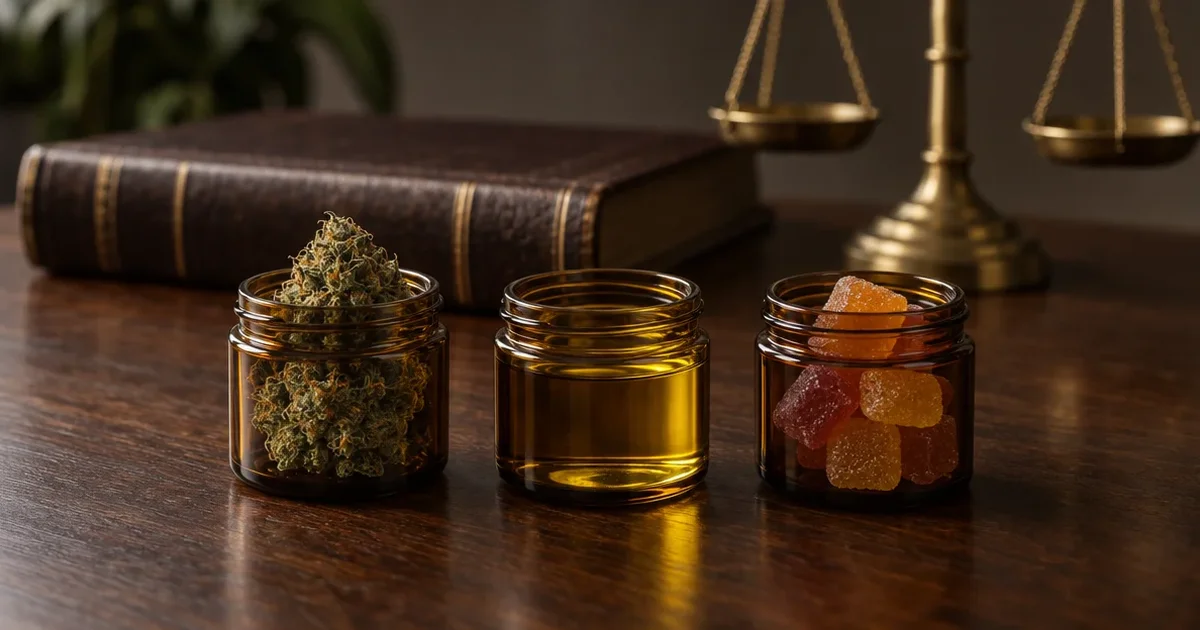
Since 2018, “hemp” meant cannabis with no more than 0.3% delta-9 THC by dry weight. Products such as THCa flower, delta-8 gummies and hemp-derived delta-9 drinks were widely marketed under that definition. Meeting a definitional threshold did not settle production, food-and-drug or state-law compliance. Here is how the new definition handles each one, with the dates that matter.
Where the new federal hemp definition comes from
Congress rewrote the definition in Division B, Section 781 of Public Law 119-37, signed Nov. 12, 2025. The amendment to 7 U.S.C. 1639o as amended by Section 781 takes effect 365 days after enactment, which is Nov. 12, 2026.
Then, on Sept. 2, 2026, Section 2019 of the Continuing Appropriations and Extensions Act, 2027 (Public Law 119-103) split the dates. Until Dec. 11, 2026, the amendments “shall only apply” to products described in two exclusions. Those two exclusions concern products containing cannabinoids the cannabis plant is not capable of naturally producing. Under Section 2019, the other amendments follow on Dec. 11, including the per-container cap and the exclusion for naturally occurring cannabinoids manufactured outside the plant.
The four tests in the new definition
- Total THC, not just delta-9. The plant limit becomes “a total tetrahydrocannabinols concentration (including tetrahydrocannabinolic acid)” of no more than 0.3% on a dry-weight basis.
- A per-container cap. A final hemp-derived cannabinoid product is excluded if it contains more than 0.4 mg combined total per container of THC and other cannabinoids with similar effects (or marketed as having them). “Container” means the innermost packaging in direct contact with the product.
- No synthetic or lab-made cannabinoids. Products are excluded if they contain cannabinoids the plant cannot naturally produce, or cannabinoids that can occur naturally but “were synthesized or manufactured outside the plant.”
- No consumer sales of intermediate products. Intermediate products, such as extracts, are excluded if they are sold as a final product or directly to an end consumer.
Industrial hemp grown for fiber, grain, seed oil and similar uses stays inside the definition.
Delta-8 vs. THCa vs. delta-9: product by product
| Product | Old test (2018) | New federal definition |
|---|---|---|
| THCa flower | 2018 definition referenced delta-9; production testing already counted potential THC from THCa | THCa counts. Flower over 0.3% total THC is not hemp. |
| Delta-8 THC products | Sold widely as hemp-derived | Excluded if the delta-8 was made outside the plant; also counts toward the 0.4 mg cap |
| Hemp-derived delta-9 edibles and drinks | Marketed under the dry-weight definition; other laws still applied | Excluded if over 0.4 mg THC per container |
| Full-spectrum CBD | Could meet the hemp definition, subject to other applicable laws | Some products exceed the cap and become marijuana again |
THCa. The 2018 definition referred to delta-9 THC, but USDA production testing already accounted for THCa and its potential conversion to THC. The new statutory definition expressly names tetrahydrocannabinolic acid. Do not confuse the old definition with a blanket exemption for producing high-THCa flower.
Delta-8. A CRS Legal Sidebar (LSB11381) notes that delta-8 occurs in the plant “in small amounts and can also be synthesized from other cannabinoids.” Products whose cannabinoids were synthesized or manufactured outside the plant are excluded, and CRS says excluded products will be subject to the Controlled Substances Act as marijuana or THC. Delta-8 is also a THC, so it counts against the 0.4 mg cap.
Delta-9. Hemp-derived delta-9 gummies and drinks were widely marketed using the old definition’s dry-weight percentage. That classification alone did not establish compliance with all federal and state sales rules. The new cap is per container, so a product with more than 0.4 mg of THC in its package no longer qualifies.
CBD. CRS quotes the December 2025 executive order acknowledging that “some full-spectrum CBD products will once again be controlled as marijuana” because they exceed the per-container threshold.
What happens to products that are not hemp
Losing hemp status removes an exemption from the Controlled Substances Act; a product may be regulated as marijuana or controlled THC, depending on what it is. That does not make its sale lawful. Current 21 CFR 1308.13(g)(2)–(4) includes specified marijuana, extracts and naturally derived delta-9 THC in FDA-approved products or subject to state medical-marijuana licensing. Those categories are not a blanket exemption for ordinary hemp-shop products. The narrower hemp definition and marijuana scheduling are separate legal questions; follow dated developments on our marijuana rescheduling hub.
Open questions before Dec. 11
- FDA lists. The law directs FDA to publish lists of naturally occurring cannabinoids, THC-class cannabinoids and cannabinoids with similar effects, plus more information on “container.” Use the applicable FDA lists and container clarifications when classifying a particular product.
- Another delay. The dates above follow enacted Section 2019. A pending bill does not itself change an effective date. Check for later enacted amendments before making a deadline-dependent decision.
- Stricter states. States can move first. Illinois enforces its own 0.4 mg limit on Nov. 12, a month before the federal date. See our Illinois hemp THC limit guide.
Businesses deciding what to do with inventory before Dec. 11 can read the Cannabis Industry Lawyer breakdown of the hemp ban delay.
Related coverage
We covered the federal fight as it happened, including the Senate vote on delaying hemp recriminalization and the DEA’s HHC rule. Dated updates on every state and federal hemp deadline live on our hemp THC laws hub.
Original sources
- Public Law 119-37, Division B, Section 781 (Nov. 12, 2025)
- Public Law 119-103, Division B, Section 2019 (Sept. 2, 2026)
- Congressional Research Service, Legal Sidebar LSB11381 (updated Dec. 22, 2025)
- 21 CFR 1308.13(g)(2)–(4), current Schedule III categories (displayed through Oct. 21, 2026)
By Thomas Howard, cannabis attorney. Thomas holds Illinois cannabis retail interests. This article is general information, not legal advice.
Evidence
Reporting and primary sources
We have not added a separate source list yet. Use the links in the article above while we finish organizing it.