Featured from CLN
The DEA’s Shift on Marijuana: What You Need to Know
The numbers on marijuana drug testing tell you everything about where American drug policy actually is — not in Congress, but in HR departments. Quest Diagnostics’ 2025 workforce data, drawn from roughly 8 million tests and reported by the Wall Street Journal: urine marijuana positivity hit 4.4 percent, up from 3.9 in 2021. Hair testing came back 15.1 percent positive — a 58.9 percent jump over five years. And random hair screens? 21 percent. One in five.
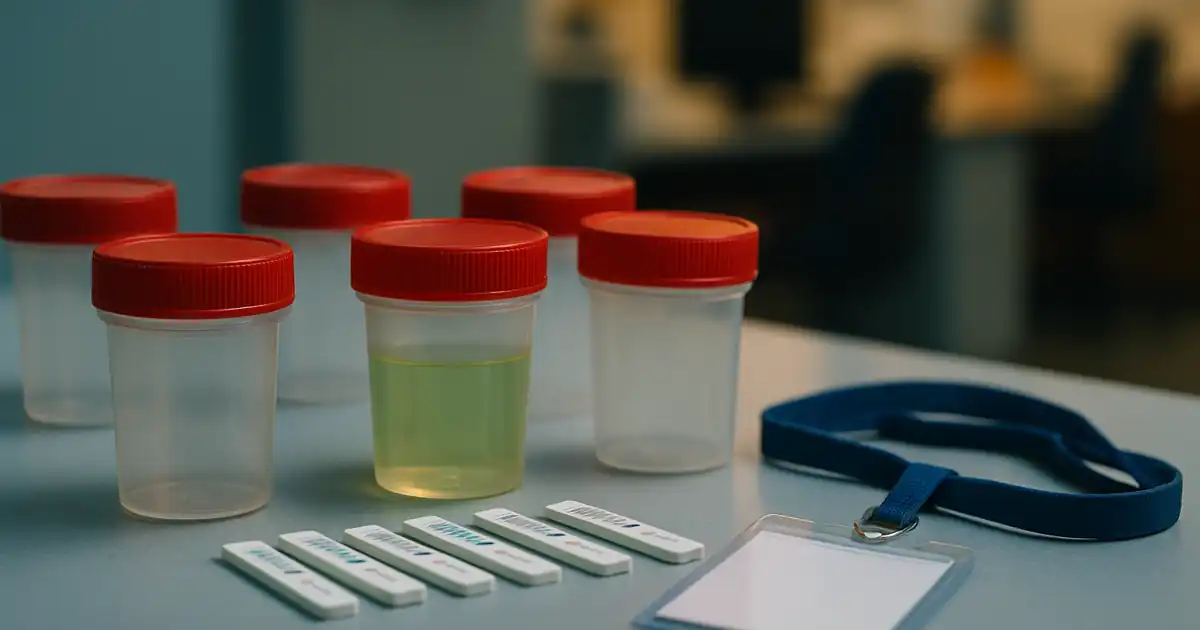
Here’s the answer to the question searchers ask: yes, more American workers are testing positive for marijuana than at any point in the modern testing era — and employers are responding not with crackdowns but by throwing out the test. Roughly half of employers no longer screen job candidates for cannabis at all, according to a Fisher Phillips survey cited by the Journal.
Why employers are giving up on marijuana drug testing
Not ideology — arithmetic. Warehousing, hospitality, retail, logistics and customer-service employers are fighting to fill jobs, and a screening policy that disqualifies a fifth of your applicant pool over legal off-duty conduct is a self-inflicted labor shortage. So screening budgets are shifting from “did you use weed this month” toward impairment detection — is this person fit for duty right now — which is both more defensible legally and more relevant to safety. The employment bar is telling clients the same thing: pre-employment THC screens are falling away everywhere outside safety-sensitive and federally regulated roles like transportation and aviation.
The legal patchwork is the trap. A growing list of states protects off-duty cannabis use; others let employers fire at will over a positive test; federal contractors and DOT-regulated fleets still live under federal rules. A multistate employer effectively needs a per-state testing policy — and a probation officer in Michigan just learned a related lesson about what state law protects. Even the nation’s largest employer is holding the line the other way: the Pentagon spent this week reminding everyone that its marijuana ban survives rescheduling.
What the numbers really say
Twenty-one percent of random hair tests positive isn’t a compliance problem; it’s a census. The workforce has already normalized cannabis the way it normalized alcohol — including, notably, the fastest-growing patient group, seniors. Employment policy is simply the last institution to update, and it’s updating now, one abandoned screening panel at a time. For employers, the move is deliberate policy — decide which roles are genuinely safety-sensitive, write the policy per state, and stop testing for yesterday’s taboo in roles where it never mattered.
Employer checklist for 2026 policies
If you employ people in more than one state, five questions decide your testing policy. Which of your states protect lawful off-duty cannabis use (a growing list, and the trend line)? Which roles are genuinely safety-sensitive — and could you defend that designation in front of a jury? Are any positions federally regulated (DOT, aviation, defense contracts), where federal rules override state protections entirely? Does your test measure impairment or merely exposure — and do your managers understand a THC-positive can reflect use from weeks ago? And finally: what did you write down? The employers losing these lawsuits are mostly the ones whose written policy says one thing while their hiring practice does another.
The direction of travel is not subtle. Testing vendors themselves now market impairment-detection tools and fitness-for-duty checks as the growth product, while the classic pre-employment THC panel quietly disappears from order forms outside regulated industries. Employment law is doing what tax law and criminal law are doing in this same news cycle — absorbing the fact that a legal product used by a fifth of the workforce cannot be governed by rules written for a contraband substance.
Watch the full episode
Watch the full Cannabis Legalization News episode on YouTube →
Original sources
Evidence
Reporting and primary sources
We have not added a separate source list yet. Use the links in the article above while we finish organizing it.