Featured from CLN
The DEA’s Shift on Marijuana: What You Need to Know
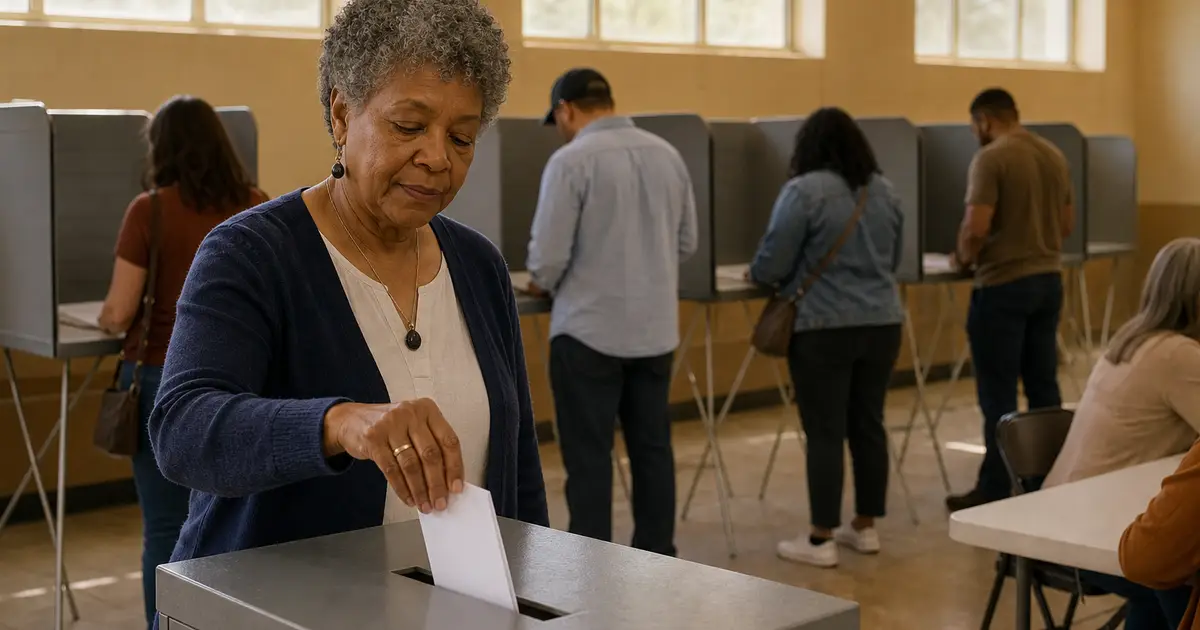
Houston voters will decide on November 3 whether misdemeanor marijuana possession becomes the “lowest possible enforcement priority” for their police department. The City Council voted Wednesday, August 12 to place the Houston Freedom Act on the ballot after Ground Game Texas submitted nearly 40,000 petition signatures. The measure would also bar Houston police from executing no-knock warrants — pairing drug policy with police procedure in a single charter amendment.
In this article
- What the Houston Freedom Act would do
- How it got on the ballot
- The part where Texas fights back
- The ballot irony
- Watch the full episode
- Original sources
What the Houston Freedom Act would do
The measure states its purpose as “carefully allocating scarce city resources, reducing the risk of discriminatory enforcement practices, and focusing city resources on the highest priority public safety concerns.” It directs the city to update its annual budget, police department manual and relevant policies so that resources are not spent on misdemeanor marijuana enforcement.
The accountability provisions are the sharpest part. The city manager would have to account for total funds and staff time spent on THC testing. There would be a one-time audit of all misdemeanor marijuana enforcement over the past five years, including arrests and citations broken down by age, gender, race and ethnicity, plus estimates of average staff hours per charge, average cost per charge, total THC testing spend and total enforcement spend per year. Annual implementation reports would follow.
Officers could still seize any substance they have probable cause to believe is marijuana. The measure also directs the city to support diversion options — treatment referrals or community service — as alternatives to arrest for Class A or Class B misdemeanor possession.
How it got on the ballot
Texas law requires 20,000 qualified signatures to call an election amending a city charter. Ground Game Texas submitted roughly 40,000. Officials checked 22,178 and found enough valid signatures without reviewing the full set — a comfortable margin.
Catina Voellinger, Executive Director of Ground Game Texas, told Marijuana Moment about one signer: “One of the people who signed our petition was a 67-year-old Black grandmother who told us HPD picked her up over cannabis and held her for two days, while she was a participant in Texas’ Compassionate Use Program. Is Houston really going to call this abuelita the face of serious criminal activity in Houston?”
She also made the collateral-consequences argument: “These punitive policies do more than put people in jail. They box people out of jobs, housing, education, stability and opportunity. They turn one encounter with police into years of consequences.”
The part where Texas fights back
Houston is not the first Texas city down this road, and the previous trips ended badly. Voters approved similar measures in Austin, Denton, Elgin, Harker Heights, Killeen and San Marcos. Attorney General Ken Paxton sued to block them, saying the state does not allow cities “the ability to create anarchy by picking and choosing the laws they enforce.” The Texas Supreme Court sided with him.
So a yes vote in November starts a fight rather than ending one. The Houston measure is drafted as a budget-and-priorities amendment rather than a flat ban on enforcement, which may be an attempt to survive the same challenge — but that theory is untested.
The ballot irony
Paxton is on that same November ballot, running for U.S. Senate. His Democratic opponent, James Talarico, recently called keeping marijuana illegal an “insane” form of corruption benefiting alcohol and tobacco companies — an argument we covered when he made it. Houston voters may deprioritize marijuana arrests on the same ballot where they vote on the man who sued five cities for doing it.
Meanwhile Texas has classified delta-8 and delta-10 THC as Schedule I with felony-level possession penalties, and hemp companies are challenging those restrictions in federal court — the same pattern playing out in Virginia.
Watch the full episode
Prefer to watch on YouTube? The Future of Dispensaries in Schedule III.
Original sources
- Ground Game Texas — The Houston Freedom Act
- Marijuana Moment — Houston Will Deprioritize Marijuana Arrests If Voters Approve Measure
- Houston Public Media — Houston voters to consider deprioritized enforcement of cannabis laws
This article is general information, not legal advice.
Evidence
Reporting and primary sources
We have not added a separate source list yet. Use the links in the article above while we finish organizing it.